Loading
Trezor Bridge: Secure Communication Between Your Trezor and the Web
Introduction to Trezor Bridge
In the world of cryptocurrency, security is everything. Hardware wallets have become the gold standard for safeguarding digital assets, and among the most trusted names is Trezor. While Trezor devices are known for their robust offline protection, they still need a secure way to communicate with your computer and browser. That’s where Trezor Bridge comes in.
Trezor Bridge is a background application that enables seamless and secure communication between your Trezor hardware wallet and your web browser. It acts as a connector, ensuring your transactions, account data, and wallet management tasks are handled smoothly without compromising security.
This guide explores what Trezor Bridge is, how it works, why it’s essential, and how to install and use it safely.
What Is Trezor Bridge?
Trezor Bridge is a lightweight software component designed to facilitate communication between your Trezor device and supported web applications such as Trezor Suite.
Why It Was Created
Previously, browser extensions were used to connect hardware wallets to web interfaces. However, browser updates and changing security standards made extensions less reliable and harder to maintain. Trezor Bridge was developed as a more stable and secure alternative.
Instead of relying on browser-specific plugins, Trezor Bridge runs as a local service on your computer. It communicates directly with your Trezor device via USB and securely relays information to your browser interface.
How Trezor Bridge Works
1. Establishing a Secure Local Connection
When you plug your Trezor device into your computer, Trezor Bridge detects it through a secure local service. This service runs in the background and listens for authorized communication requests from supported applications.
2. Browser-to-Device Communication
When you open Trezor Suite in your browser or desktop app, the interface sends a request to Trezor Bridge. The bridge verifies the request and establishes a secure channel between the browser and your device.
3. Transaction Signing
All sensitive operations—such as signing transactions—happen directly on your Trezor hardware wallet. Trezor Bridge only transmits non-sensitive data. Your private keys never leave the device.
This architecture ensures that even if your computer is compromised, your private keys remain protected within the hardware wallet.
Key Features of Trezor Bridge
Seamless Connectivity
Trezor Bridge works automatically in the background. Once installed, you don’t need to manually launch it each time. It ensures your browser and device remain synchronized.
Enhanced Security
Because Trezor Bridge replaces browser extensions, it reduces exposure to browser-based vulnerabilities. Communication is handled locally and securely.
Cross-Platform Support
Trezor Bridge supports major operating systems, including:
- Windows
- macOS
- Linux
This makes it accessible to a wide range of cryptocurrency users.
Automatic Updates
Security is constantly evolving. Trezor Bridge supports updates that ensure compatibility with the latest firmware and browser standards.
Supported Trezor Devices
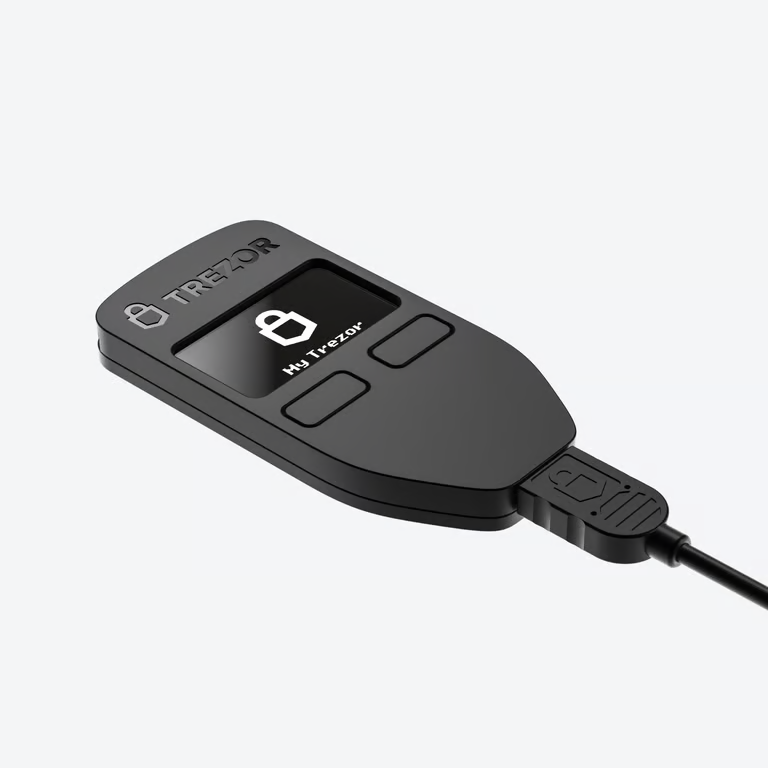
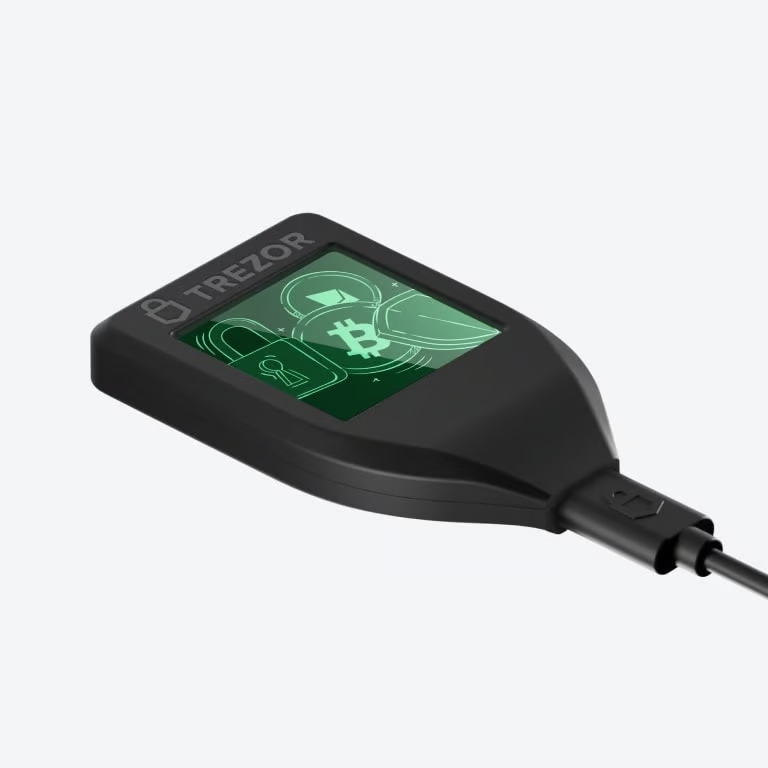
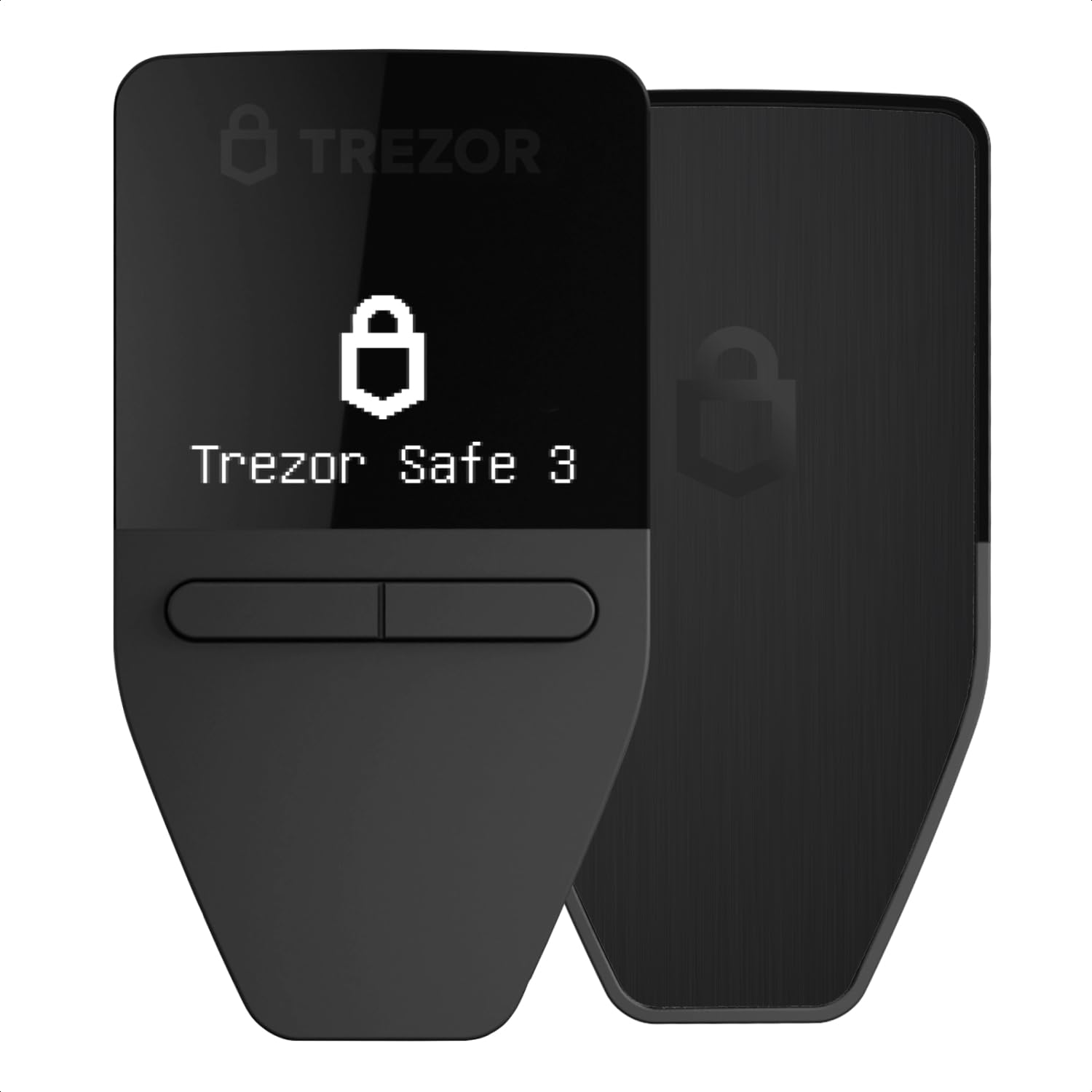
Trezor Bridge works with the following devices:
- Trezor Model One
- Trezor Model T
- Trezor Safe 3
Each of these devices uses Trezor Bridge to securely connect with supported web interfaces and applications.
Benefits of Using Trezor Bridge
1. Improved Stability
Browser extensions can break after browser updates. Trezor Bridge eliminates this issue by functioning as a standalone background service.
2. Better Performance
Since it operates locally, Trezor Bridge provides faster and more reliable device detection compared to older plugin-based solutions.
3. Stronger Security Model
The bridge architecture ensures:
- Private keys never leave the device
- All sensitive confirmations happen on hardware
- The attack surface is minimized
This layered approach significantly enhances overall security.
How to Install Trezor Bridge
Installing Trezor Bridge is simple and straightforward.
Step 1: Visit the Official Trezor Website
Always download Trezor Bridge from the official website of Trezor to avoid malicious software.
Step 2: Choose Your Operating System
Select the installer compatible with your OS (Windows, macOS, or Linux).
Step 3: Run the Installer
Follow the on-screen instructions. Installation typically takes less than a minute.
Step 4: Restart Your Browser
After installation, restart your browser to ensure it recognizes the bridge.
Step 5: Connect Your Device
Plug in your Trezor device and open Trezor Suite. The bridge should automatically detect your wallet.
Troubleshooting Common Issues
Even though Trezor Bridge is reliable, you may occasionally encounter issues.
Device Not Recognized
- Ensure the USB cable is functioning properly
- Try a different USB port
- Restart your computer
Bridge Not Running
Check your system tray or background services to confirm Trezor Bridge is active. Reinstalling may resolve persistent problems.
Browser Compatibility
Ensure you’re using a supported browser such as:
- Google Chrome
- Mozilla Firefox
- Microsoft Edge
Keeping your browser updated can also prevent connectivity issues.
Trezor Bridge vs Browser Extensions
| Feature | Trezor Bridge | Browser Extension |
|---|---|---|
| Stability | High | Moderate |
| Security | Strong local communication | Dependent on browser |
| Updates | Independent | Browser-dependent |
| Performance | Fast | Can be inconsistent |
Trezor Bridge clearly offers a more modern and secure approach compared to traditional extensions.
Security Considerations
While Trezor Bridge enhances security, users must still follow best practices:
- Only download from official sources
- Keep firmware updated
- Never share your recovery seed
- Verify transaction details on your device screen
Remember, hardware wallets are secure only when used responsibly.
Integration with Trezor Suite
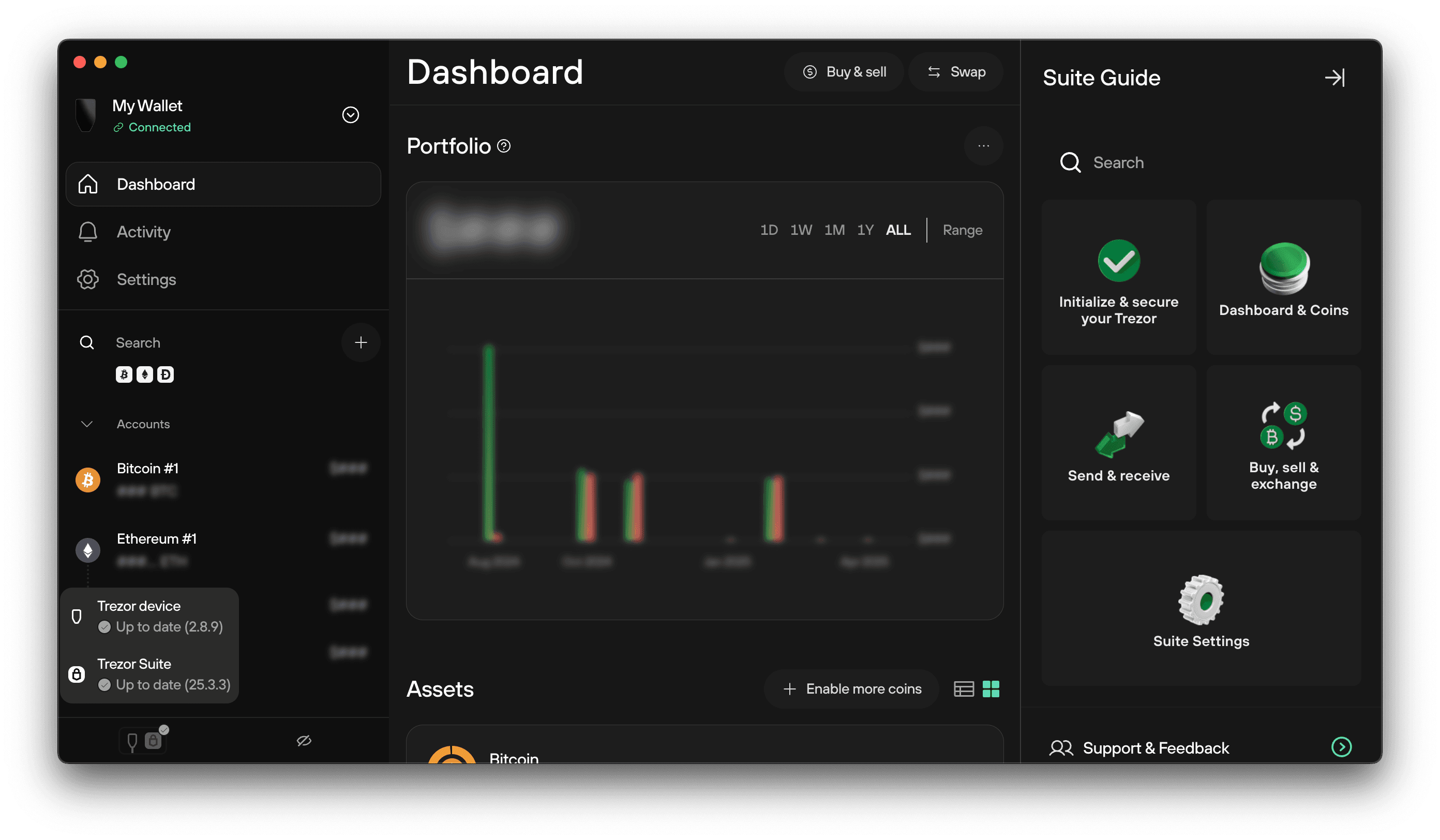
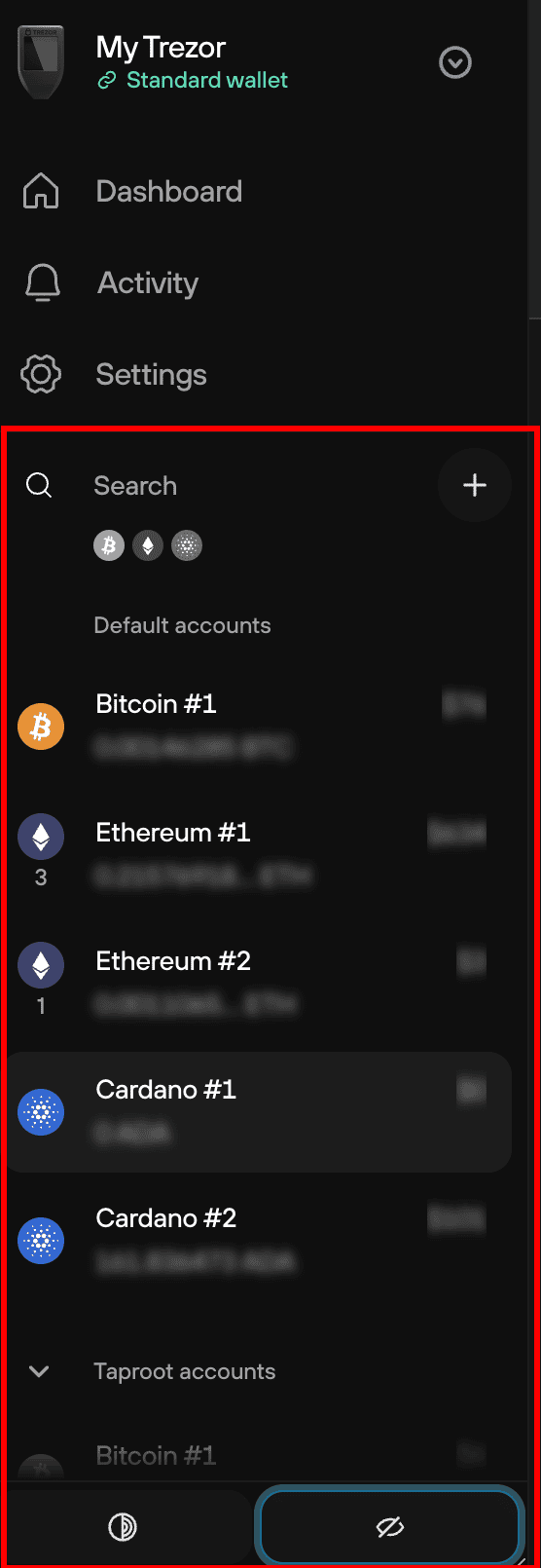
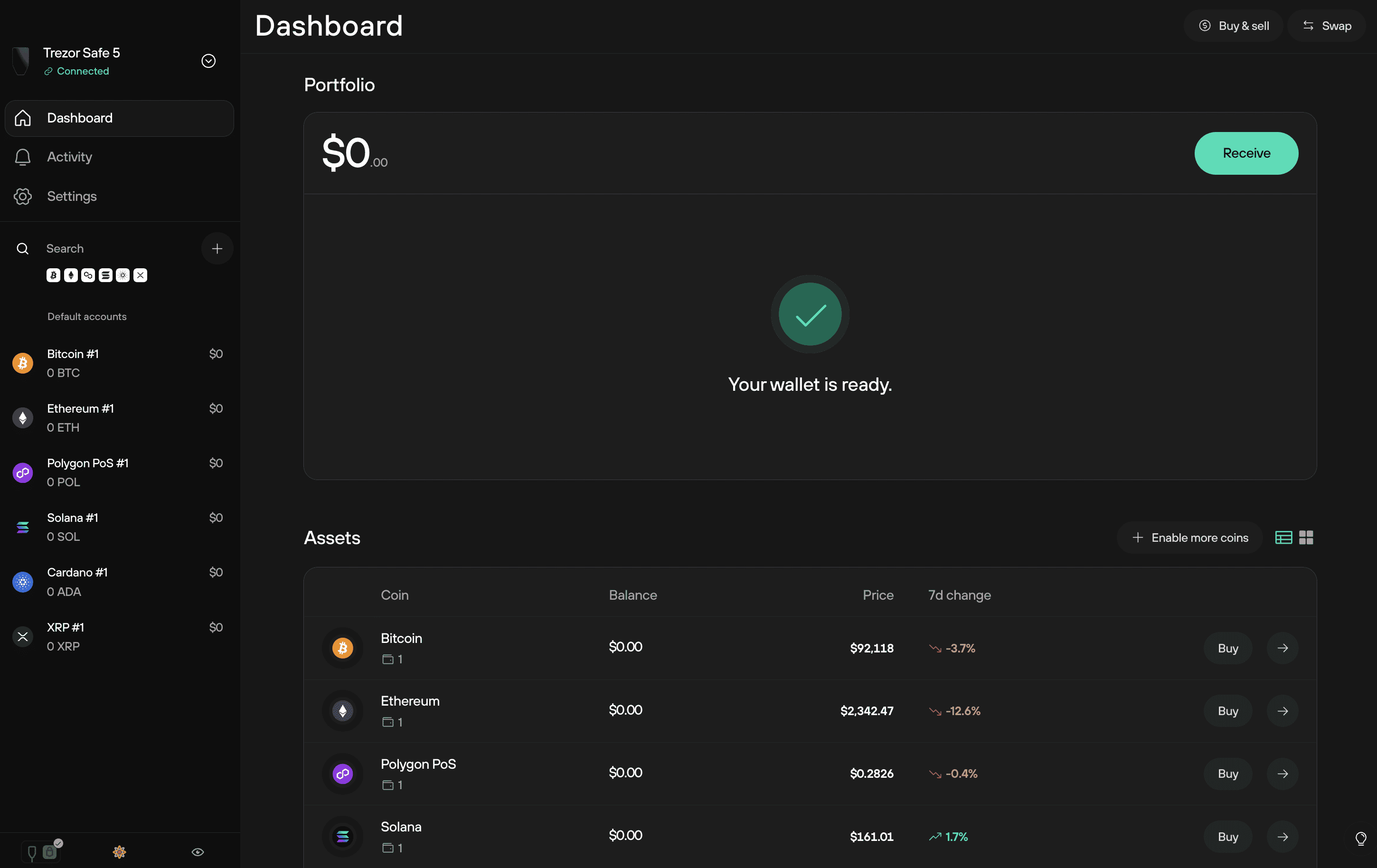
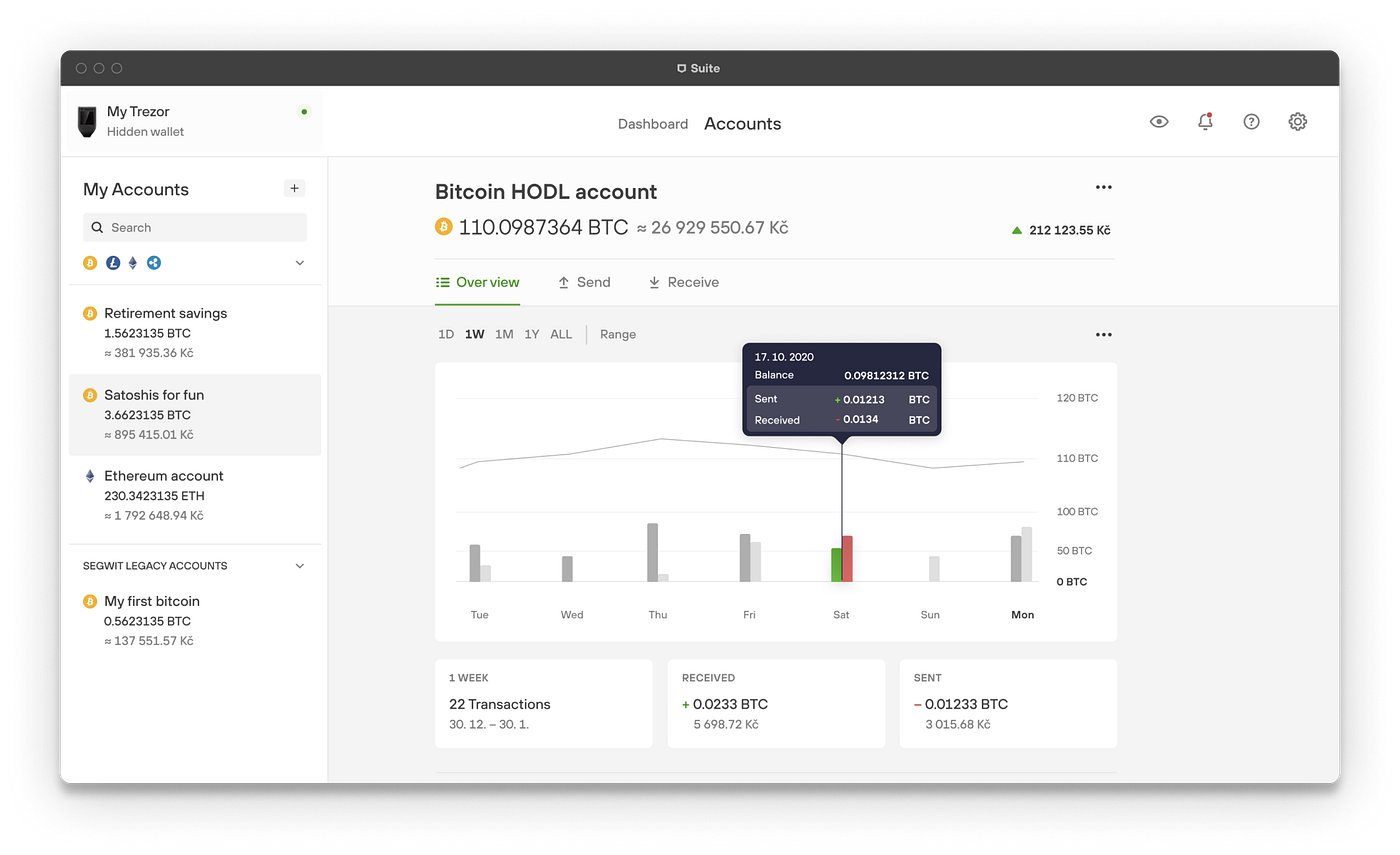
Trezor Bridge works seamlessly with Trezor Suite, the official wallet management platform.
With this integration, users can:
- Manage multiple cryptocurrency accounts
- Send and receive digital assets
- Track portfolio performance
- Update firmware
- Adjust security settings
Trezor Suite acts as the user interface, while Trezor Bridge ensures secure communication in the background.
Why Trezor Bridge Matters for Crypto Security
Cryptocurrency ownership comes with responsibility. Unlike traditional banking, there is no customer service desk to reverse transactions or recover stolen funds. This makes secure device communication crucial.
Trezor Bridge plays a vital role by:
- Reducing reliance on browser plugins
- Enhancing system compatibility
- Ensuring encrypted local communication
- Supporting ongoing security updates
It’s not just a convenience tool—it’s a foundational component of the Trezor ecosystem.
Final Thoughts
Trezor Bridge is an essential piece of software for anyone using a Trezor hardware wallet. It provides a secure, stable, and efficient communication channel between your device and web-based wallet interfaces.
By replacing outdated browser extensions with a dedicated background service, Trezor Bridge improves both security and performance. Combined with Trezor hardware devices and Trezor Suite, it forms a comprehensive ecosystem designed to protect your digital assets from online threats.
If you’re serious about cryptocurrency security, installing and maintaining Trezor Bridge is a small but critical step toward safeguarding your investments.